
Why Your Building Installed Carbon Monoxide Detectors in the Hallways (And What It Means for Your Safety)

If you have noticed new carbon monoxide alarms appearing in your building's hallways, they may relate to the 2026 Ontario Fire Code amendments. Where a forced-air fuel-burning appliance outside a residential or care suite directly heats a public corridor serving residential suites, required CO alarms in an undivided corridor must be spaced not more than 25 metres apart. This article explains what carbon monoxide is and why the amended Code expands detection in specified locations.

In City Site’s podcast “Ontario Fire Code Changes Condo Boards Need To Know in 2026” with Sam Soltani of The Trace Group, we discuss exactly why carbon monoxide detection is appearing in condominium hallways, alongside other fuel-burning equipment, resident safety, and the 2026 code changes. The conversation makes an invisible hazard easier to understand by linking detector placement to fuel-burning equipment and air movement.
It also gives residents and directors a clearer basis for asking whether their building’s protection matches its actual conditions. Check out more information about this podcast here: #WeSpeakCondo podcast
What Carbon Monoxide Is
Carbon monoxide, often written as CO, is produced by incomplete combustion of fuels. It is invisible, tasteless, and odourless, so people cannot reliably detect it with their senses. Symptoms can be mistaken for other illnesses, which is why properly installed and maintained CO alarms are an important warning device.
Common symptoms of carbon-monoxide exposure can include headache, dizziness, nausea, weakness, confusion, and fatigue. If a CO alarm activates or multiple people develop unexplained symptoms, occupants should follow emergency guidance and seek appropriate assistance rather than trying to diagnose the cause themselves.
Why It Can Reach Your Hallway
Some multi-residential buildings use forced-air fuel-burning equipment to heat and distribute air to common areas. If combustion is incomplete or equipment malfunctions, carbon monoxide can be produced. The 2026 Fire Code amendments address specified situations in which CO alarms are required in public corridors and other locations.
This is not a hypothetical risk. Ontario has seen residential buildings where a faulty burner sent carbon monoxide through the corridors undetected, sending several residents to hospital. The broader hazard is well established: carbon monoxide can be produced by fuel-burning equipment and is difficult to detect without an alarm. Ontario's expanded 2026 CO-alarm requirements are intended to improve warning in the locations specified by the Code.
What the New Requirement Covers
Under the updated Code, the corridor requirement applies only where the stated conditions are met, including a forced-air fuel-burning appliance directly heating the public corridor. In an undivided applicable corridor, required alarms must be spaced not more than 25 metres apart. Other CO-alarm requirements also apply in specified residential and care-occupancy locations. Required alarms should be maintained and tested according to the applicable Code and manufacturer requirements.
For residents, the practical points are simple. The hallway detectors protect common areas, while detectors inside suites continue to protect private spaces. If a hallway detector beeps or a "fault" indicator appears, report it through your usual building channels rather than covering or silencing it. And if anyone in the building experiences unexplained headaches, nausea, or dizziness, especially affecting several households at once, it is worth raising with management so the cause can be investigated.
How This Fits a Larger Update
The hallway CO provisions are part of a broader 2026 Fire Code amendment package that also updates fire-alarm standards, integrated-system requirements, smoke-control provisions, and records. Which changes apply depends on the building's systems and design. Residents can ask management which provisions apply to their building and how required alarms are maintained.
Small Devices, Early Warning
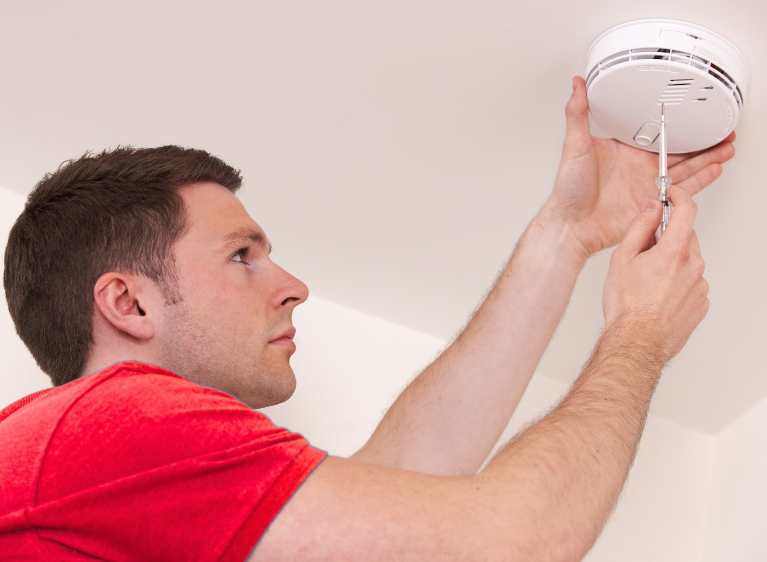
Carbon monoxide cannot be seen, tasted, or smelled, which is why alarms are important. A CO alarm does not necessarily sound the instant any trace of CO appears; it is designed to respond according to prescribed sensing and alarm criteria. If you have questions about your building's CO coverage, ask the management team to explain which Code requirements apply; City Sites Property Management is happy to support client corporations.
For a deeper discussion of why carbon monoxide detection is appearing in condominium hallways, listen to the full #WeSpeakCondo episode with Sam Soltani of The Trace Group. The conversation adds useful perspective on fuel-burning equipment, resident safety, and the 2026 code changes, and is a helpful companion to this article.
Listen and learn more: YouTube | Spotify | Apple Podcasts | Amazon Music | iHeartRadio


Comments